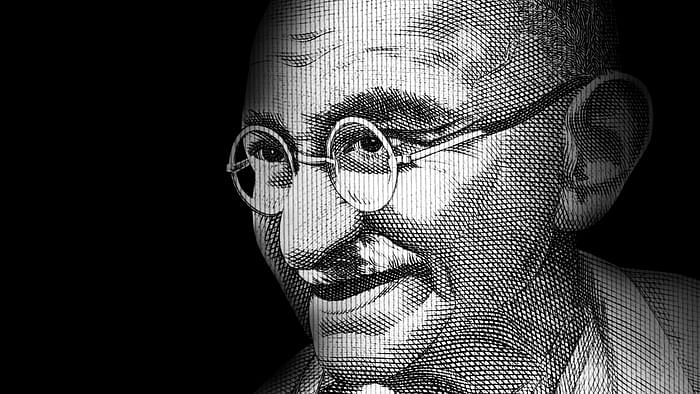
30.1.21

Modi or Rahul, All Respect the Mahatma. Why No Spirit of Inquiry?


Years ago I had walked into the manual scavengers’ colony at Dadar in Mumbai, and for the first time discovered that there is a Mahatma Gandhi that is not a road name, not a face on currency notes, not a statue or a line drawing, and most certainly not a universal metaphor for all that is virtuous. 

For the first time I discovered that there is a Gandhi that others see, and not as a human beyond the Mahatma angle, but as a seriously flawed person. The obeisance industry refuses to even consider the viewpoints of Dalits, feminists and anti-communalists. From politicians to the leftist ‘azaadi from poverty’ ring leader Kanhaiya Kumar, they quote the Mahatma when they wish to speak out against Hindutva. 

Fact is, Gandhi was the Lord Ram and the Chanakya of his time. The rejecter of a throne manoeuvring the game of thrones.


Read more here

21.1.21

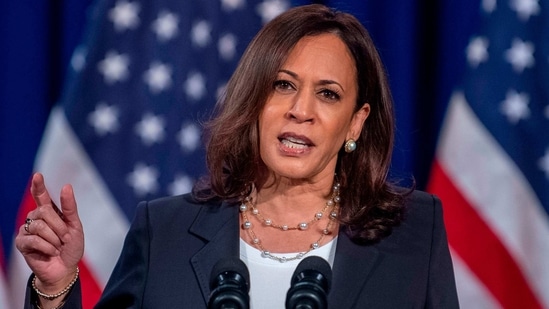
Blackface and whiteface in the time of Kamala Harris


As one woman of mixed race will be sworn in as the vice president of the USA on January 20 despite – or because of – identifying as black, another woman, a civil rights activist, had to give up her job five years ago for adopting a black identity. While Kamala Harris is seen as a symbol, Rachel Dolezal was accused of being a fake.

Fact is, the Harris “deception” has greater import because of the position she holds and, more importantly, her lack of any real engagement with black lives. Her affiliations have been of the kind a typical white person might have.

Read more in Hindustan Times

31.12.20

How Does One Write For A Revolution? Farmers’ Delhi Protests

Writers in an agitation often employ shock value to make a statement. The point here is: where are the authentic voices?

The question isn’t restricted only to the farmers’ protests. During the anti-CAA protests at Shaheen Bagh, “Hum dekhenge” became the anthem. 


A few new poets did emerge, but they came across as ‘outside’ voices. 


Read more here

19.11.20

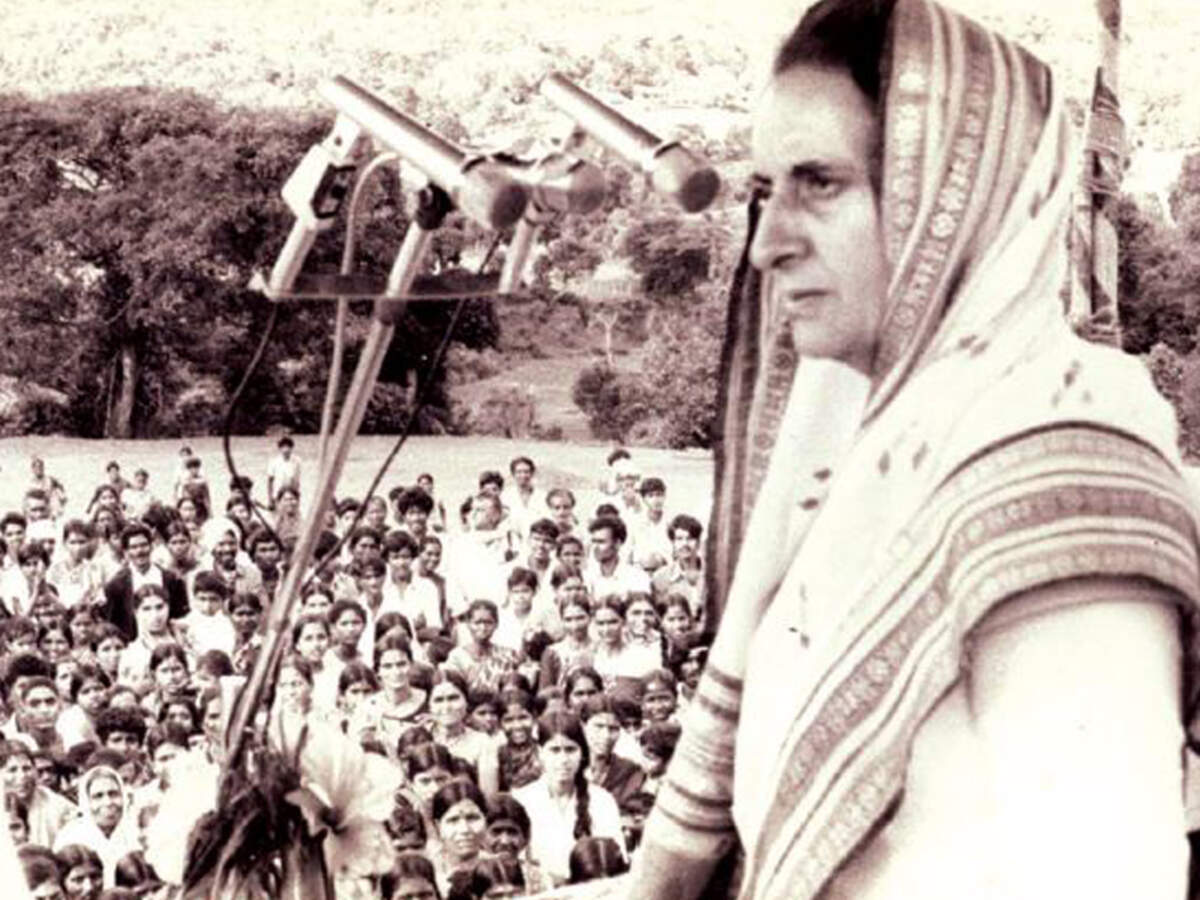
Did Indira Gandhi Help Shape ‘Anti-Pakistan’ Narrative?


103 years ago to the day, Indira Gandhi was born (19 November 1917). And 36 years ago, on 31 October, when Indira Gandhi was shot dead, we were stunned and genuinely sad. She seemed imperishable. 
She had mastered the art of playing both ‘victim’ and ‘rescuer’ – post-Emergency, after her son Sanjay’s death, even after death as her spirit hovered around when her politically-disinclined son was pulled out to save India. 

As I look back at the three major unfortunate events she was responsible for, we can see how her actions shaped post-Partition politics and that continue to echo today in more insidious forms. 

Read the full article in The Quint

15.10.20

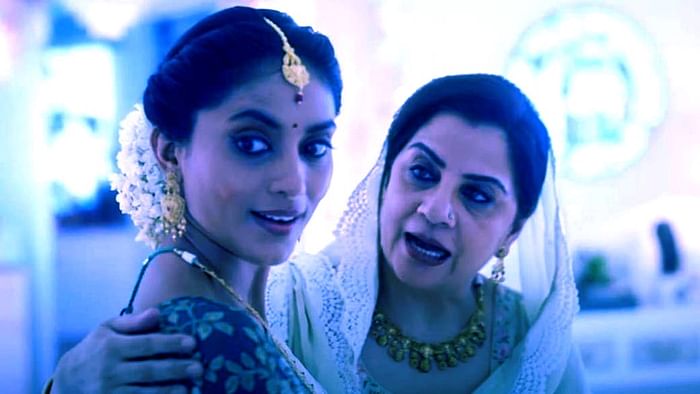
Tanishq Ad and the Conscience Market


There was a time when people did not need advertisements to teach them about communal harmony or confirm their belief in it. 
Rightwing trolls forced Tanishq, a brand promoted by the Tatas, to remove an ad that depicted a Muslim mother-in-law arranging a baby shower for her Hindu daughter-in-law according to the customs of the latter’s faith. The makers were trolled for promoting love jihad and caved in. 

What started out as a celebration of “the beauty of oneness” has ended with a capitulation to sentiments that are hurt by such oneness. People are likely to empathise with this position, though, given that there is a smart suggestion of safety of the staff. The storyteller becomes the story. 

Few are interested in the inherently problematic messaging of such ads, to begin with. 

 -- 

Read full article here

5.9.20

Indian Muslims Need Political Representation, Not Sham Secularism


The main roadblock to the Indian National Congress is not dynasty, or the recent dissidence within its ranks, but secularism. 

73 years after Independence, we realise that individuals can be secular, but a country cannot, unless it is homogenous. After the Partition of 1947, unlike Muhammad Ali Jinnah’s offering of secularism as dessert to Pakistan, India had to make a meal of disparate ingredients. Multiculturalism was projected as secularism, even as three other ‘isms’ continued to mock it – communalism, parochialism, regionalism.

--- 

Ironically, Muslims seeking a leader from within the community are viewed with suspicion, when India has voted for a party that not only flaunts its Hindu identity and seeks a ‘Hindu Rashtra’, but also tries to silence those who contest such an idea.

---

Read more here

22.8.20

Prashant Bhushan Case: Privileged Dissent and Luxury of Apology


The celebrated lawyer has refused to apologise after a Supreme Court bench held that a couple of his tweets constituted a contempt of court. 

Hungry for part-time heroes, social media declared him one; a WhatsApp image showed several fictional superheroes bowing to him as he walks past, head held high. This case has now transformed into performative art, with its exaggerated portrayals. Bravado is perceived as bravery and privilege as persistence. 

Read full article here